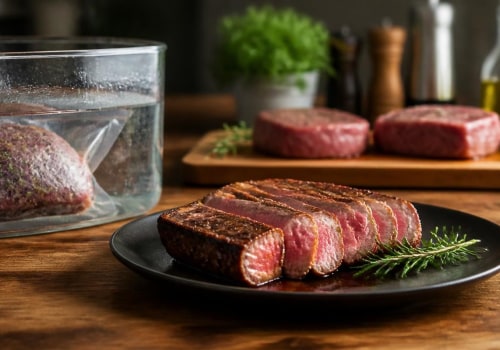
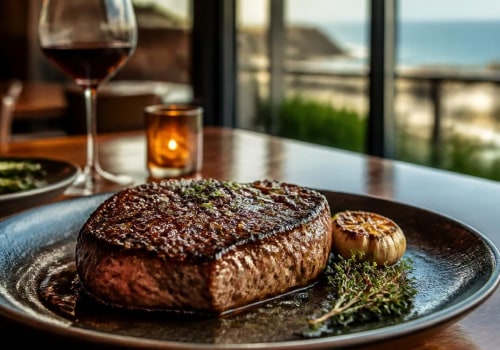
At San Diego Steakhouse ReportSan Diego Steakhouse Report, we understand that grilling is not just a cooking method; it's an art form. When you fire up the grill, you're not just preparing a meal; you're creating an experience that brings family and friends together. But what if you could elevate that experience even further? Enter the world of marinades—an essential tool for any grill master looking to enhance the natural flavors of their meat. In this article, we will explore how the right marinades can transform your grilling game, infusing each bite with tantalizing flavors that will leave your guests raving about your culinary skills. Marinades are more than just a simple mix of oil and vinegar; they are a blend of spices, herbs, and acids that penetrate the meat, tenderizing it while adding layers of flavor.
Whether you are grilling steaks, chicken, or vegetables, the right marinade can make all the difference between a good dish and a great one. As we delve into various marinade recipes and techniques, you'll learn how to choose the perfect combination of ingredients that complement your favorite cuts, ultimately leading to an unforgettable grilling experience. Join us as we embark on this flavorful journey and discover how to make every grill session a standout occasion with marinades that enhance grilled flavor. Your next barbecue is about to become a culinary celebration!Marinades play a crucial role in enhancing the flavor profile of grilled meats, particularly steak. By infusing the meat with various flavors and tenderizing it, marinades can elevate your grilling experience significantly.
As you explore this concept, consider checking out the San Diego Steakhouse Report, which serves as an excellent resource for finding local steakhouses that may offer unique marinades and grilling techniques that you can replicate at home. The science behind marinades lies in their ability to penetrate the meat and alter its texture and flavor. Marinades typically consist of three main components: acids, oils, and seasonings. Acids, such as vinegar or citrus juice, help to break down protein structures in the meat, leading to a more tender texture. Oils, on the other hand, add moisture and help to carry flavors deeper into the meat. , which serves as an excellent resource for finding local steakhouses that may offer unique marinades and grilling techniques that you can replicate at home. The science behind marinades lies in their ability to penetrate the meat and alter its texture and flavor. Marinades typically consist of three main components: acids, oils, and seasonings. Acids, such as vinegar or citrus juice, help to break down protein structures in the meat, leading to a more tender texture. Oils, on the other hand, add moisture and help to carry flavors deeper into the meat.
Finally, seasonings—ranging from herbs and spices to salts—contribute to the overall flavor profile, making each marinade unique. Common ingredients found in marinades include soy sauce, olive oil, garlic, fresh herbs like rosemary and thyme, and various types of vinegars. For instance, a classic marinade for steak might include balsamic vinegar, olive oil, minced garlic, and a dash of black pepper. Each ingredient serves a purpose: the vinegar acts as a tenderizer, while the olive oil keeps the meat moist during cooking. When considering specific types of steak, certain marinades can complement their natural flavors beautifully. For example, a rich marinade featuring red wine and rosemary pairs exceptionally well with USDA Prime cuts, enhancing their inherent juiciness and depth of flavor. Finally, seasonings—ranging from herbs and spices to salts—contribute to the overall flavor profile, making each marinade unique. Common ingredients found in marinades include soy sauce, olive oil, garlic, fresh herbs like rosemary and thyme, and various types of vinegars. For instance, a classic marinade for steak might include balsamic vinegar, olive oil, minced garlic, and a dash of black pepper. Each ingredient serves a purpose: the vinegar acts as a tenderizer, while the olive oil keeps the meat moist during cooking. When considering specific types of steak, certain marinades can complement their natural flavors beautifully. For example, a rich marinade featuring red wine and rosemary pairs exceptionally well with USDA Prime cuts, enhancing their inherent juiciness and depth of flavor.
Conversely, when it comes to high-end meats like Wagyu beef, a more subtle marinade may be ideal—think simple combinations of soy sauce and sesame oil that allow the steak's unique buttery texture to shine without overpowering it. Understanding marinating times is also essential for achieving the best results. Thinner cuts like flank steak benefit from shorter marinating times—typically around 30 minutes to 2 hours—while thicker cuts such as ribeye may require several hours or even overnight to fully absorb flavors and tenderize effectively. However, it’s crucial not to over-marinate; leaving meat in an acidic marinade for too long can lead to a mushy texture. Additionally, balancing flavors is key when creating your marinades. A well-rounded marinade should have a balance of acidity from your chosen acid, richness from oils, and depth from seasonings.
Experimenting with different ratios can lead you to discover your signature blend that perfectly enhances your favorite steak cut. Many steakhouses may also employ unique marinades crafted from their proprietary recipes. This is often what sets one establishment apart from another. When choosing a steakhouse based on their marinade offerings, consider looking for those that emphasize quality ingredients or offer house-made sauces made from scratch. The San Diego Steakhouse Report can assist you in identifying these establishments that take pride in their marinades and enhance their grilled dishes accordingly. In summary, understanding the science behind marinades and their applications can significantly impact your grilling results.
By experimenting with different ingredients and respecting marinating times for various cuts of steak, you can create mouthwatering meals that rival those served at top steakhouses.
Understanding Marinades: The Key to Flavor
Marinades are flavorful mixtures that are used to soak meats, enhancing both their taste and tenderness. When it comes to grilling steak, the right marinade can make all the difference in achieving a delicious result. A good marinade typically consists of three key components: an acid, fat, and a combination of spices and flavorings. The acid, which can come from ingredients like vinegar, citrus juice, or yogurt, helps to break down the proteins in the meat.This process not only adds flavor but also makes the steak more tender. The fat in the marinade, often derived from oils or butters, contributes moisture and richness, allowing the flavors to penetrate deeper into the meat. In addition to enhancing taste and texture, marinades also serve as a protective barrier during grilling. They help to keep the steak juicy by preventing moisture loss when exposed to high heat. It's important to note that different cuts of steak may benefit from different types of marinades.
For instance, tougher cuts like flank or skirt steak may require more acidic marinades to effectively tenderize them, while more tender cuts like filet mignon may only need a light marinade for flavor enhancement. For those interested in exploring unique marinades, local establishments often have their own secret recipes that can inspire home cooks. The San Diego Steakhouse Report is an excellent resource for discovering steakhouses in the area that might offer their own distinctive marinades or grilling techniques. By understanding how marinades work, you can elevate your grilling game and create steak dishes that are bursting with flavor.
Marinating Times: How Long Should You Marinate?
When it comes to grilling, marinades play a crucial role in enhancing the flavor of your steak. Understanding how long to marinate different cuts is essential for optimal flavor absorption.According to the San Diego Steakhouse Report, various cuts of steak require different marinating times to achieve the best results. For tender cuts such as filet mignon or ribeye, a shorter marinating time of 30 minutes to 2 hours is usually sufficient. These cuts are already flavorful and tender, so a brief soak in your chosen marinade will enhance their natural qualities without overwhelming them. On the other hand, tougher cuts like flank steak or skirt steak benefit from longer marinating periods. Aim for 4 to 24 hours for these cuts. The extended time allows the marinade to penetrate the meat more effectively, breaking down tough fibers and infusing them with flavor. If you’re using acidic marinades that contain ingredients like vinegar or citrus juice, be cautious with the marinating time.
While these acids can enhance flavor, they can also start to cook the meat if left too long. For acid-based marinades, 1 to 4 hours is generally recommended for most cuts. Lastly, always remember that after marinating, it’s vital to let your steak rest for a few minutes before grilling. This allows the juices to redistribute throughout the meat, ensuring a juicy and flavorful bite. For those seeking local inspiration or unique marinade recipes, don’t forget to check out the San Diego Steakhouse Report for insights into what local steakhouses are doing with their flavors!
Choosing the Right Steakhouse: What to Look For
When it comes to enjoying a perfectly grilled steak, the right marinade can make all the difference.To find a steakhouse that excels in this area, it’s essential to consider several factors that reflect both the quality of their marinades and the overall dining experience. An excellent resource for this is the San Diego Steakhouse Report, which provides comprehensive comparisons of prime steakhouses in the San Diego area. First and foremost, investigate the steakhouse's approach to marinades. Look for establishments that pride themselves on using fresh, high-quality ingredients in their marinades. A good steakhouse will often highlight their unique marinade recipes, showcasing their commitment to enhancing the natural flavors of the meat.
Pay attention to menus that describe their marinades in detail; this often indicates a thoughtful and skilled approach to flavor. Another crucial factor is the variety of marinades offered. Different cuts of steak can benefit from different types of marinades—some may pair well with robust flavors like soy sauce and garlic, while others might shine with lighter herb-based marinades. A diverse selection demonstrates a chef's expertise and creativity, ensuring that you can find something suited to your taste. Additionally, consider the overall reputation of the steakhouse as noted in the San Diego Steakhouse Report. Reviews and ratings can provide insight into not only the quality of their marinades but also how well they execute grilling techniques.
Look for steakhouses that have garnered positive feedback regarding their flavorful dishes and attentive service, as these elements contribute significantly to a memorable dining experience. Lastly, don't hesitate to ask staff about their signature marinades or any specials they might recommend. Knowledgeable servers can provide valuable insight into which dishes are enhanced by specific marinades, making your meal even more enjoyable.
Steak Types: Pairing Marinades with USDA Prime and Wagyu
When it comes to grilling high-quality steaks such as USDA Prime and Wagyu, the right marinade can elevate the flavor profile and enhance the overall dining experience. The San Diego Steakhouse Report serves as a fantastic resource for discovering local steakhouses that might offer their own unique marinades or grilling techniques, providing inspiration for your own culinary endeavors at home. For USDA Prime steaks, which are known for their rich marbling and intense beef flavor, a marinade that complements their natural taste is essential. A classic combination of soy sauce, garlic, and brown sugar can create a savory-sweet glaze that enhances the meat's inherent qualities without overpowering them.Additionally, incorporating ingredients like balsamic vinegar or Worcestershire sauce can add depth and complexity to the marinade, making it perfect for those juicy cuts. On the other hand, Wagyu steaks, celebrated for their exceptional tenderness and buttery richness, require a more delicate approach. A simple marinade of olive oil, lemon juice, and fresh herbs like rosemary or thyme works wonders to enhance the steak's flavor without masking its luxurious qualities. This light marinade allows the unique characteristics of Wagyu to shine through while adding a hint of freshness. Experimenting with these marinades can lead to delightful discoveries in flavor combinations. Remember to consider the cut of steak you are working with and adjust the marinade accordingly.
For instance, thicker cuts may benefit from longer marination times to fully absorb the flavors, while thinner cuts can be marinated briefly for a quick flavor boost. As you explore these options, don't forget to refer back to resources like the San Diego Steakhouse Report for additional tips on selecting the perfect steak and enhancing your grilling repertoire.
Popular Marinade Ingredients and Combinations
When it comes to grilling, the right marinade can make all the difference in elevating the flavors of your steak. Marinades are typically composed of three main components: acid, oil, and seasoning. The acid helps to tenderize the meat, while the oil adds moisture and flavor, and the seasoning delivers a punch of taste that enhances the overall grilled experience. Common ingredients used in marinades include:- Acids: Citrus juices (like lemon or lime), vinegar (balsamic, red wine, apple cider), and yogurt are popular choices.
- Oils: Olive oil is a favorite, but other oils like sesame or avocado can also be used for unique flavors.
- Seasonings: Garlic, onions, fresh herbs (like rosemary, thyme, or parsley), soy sauce, mustard, and various spices can all contribute to a delicious marinade.
- For Ribeye: A marinade featuring red wine vinegar, olive oil, minced garlic, and fresh rosemary can enhance the rich flavor of this cut.
- For Filet Mignon: A simple mix of balsamic vinegar, olive oil, and cracked black pepper will complement the tenderness without overpowering it.
- For Flank Steak: Try a marinade with lime juice, soy sauce, brown sugar, and chili flakes for a zesty kick that matches its robust texture.
This resource can inspire you to experiment with flavors and find what works best for your palate. In conclusion, marinades that enhance grilled flavor are an essential component in taking your steak grilling to the next level. By understanding the role of marinades and experimenting with various ingredients and combinations, you can significantly elevate the taste of your grilled steaks. Whether you prefer a classic marinade or a bold, adventurous blend, the right marinade can make all the difference in your grilling experience. We encourage you to explore local steakhouses highlighted in the San Diego Steakhouse Report, where you can discover unique marinades and expert grilling techniques that professionals use to create exceptional dishes. The report serves as a valuable resource for finding prime steakhouses that offer not only high-quality cuts but also innovative flavor profiles that enhance your dining experience. Remember, the perfect steak is not just about the cut; it’s about how you prepare it.
So, dive into the world of marinades and enjoy the flavorful journey they bring to your grilling adventures!.