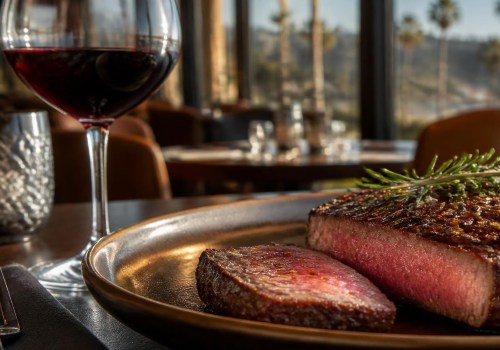
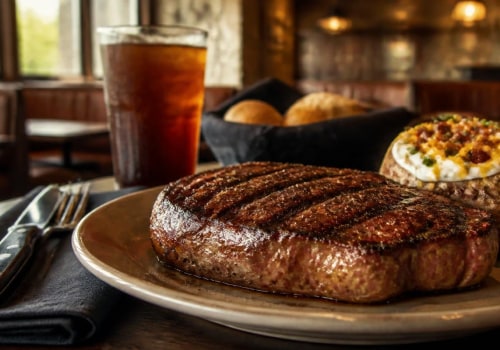
When it comes to steak, enthusiasts often find themselves torn between two of the most popular cuts: the T-bone and the Porterhouse. Both are celebrated for their rich flavors and tender textures, making them staples in steakhouses around the world. At the San Diego Steakhouse Report, we understand that selecting the right cut can enhance your dining experience, especially when you want to impress at a special occasion or simply indulge in a delicious meal. In this article, we will explore the T-bone vs.
Porterhouse: Key Differences, dissecting what sets these two iconic cuts apart and helping you make an informed choice for your next steak dinner. As a comprehensive guide to steakhouses in San Diego County, the San Diego Steakhouse Report aims to provide valuable insights not only on the cuts themselves but also on how they fit into the broader landscape of steak cuisine. Whether you're a seasoned steak lover or a curious newcomer, understanding these cuts will deepen your appreciation for the art of steak preparation. Join us as we delve into the nuances of T-bones and Porterhouses, examining everything from their anatomical differences to cooking methods that bring out their best characteristics. When it comes to choosing the perfect steak for a special occasion, T-bone and Porterhouse steaks are two popular options that often find their way onto menus at upscale steakhouses. The San Diego Steakhouse Report serves as a valuable resource for steak enthusiasts looking to explore the best steakhouses in San Diego County that offer these delicious cuts.
Understanding the differences between these two steak types is essential for selecting the right cut that aligns with your dining experience, whether it’s a romantic dinner or a business meeting. The T-bone and Porterhouse steaks are renowned for their distinctive T-shaped bones, which showcase two different cuts of beef: the strip loin and the tenderloin. Both cuts offer a delightful combination of flavors and textures, but they differ significantly in size and meat content. The T-bone steak typically contains a smaller portion of tenderloin compared to the larger Porterhouse, which features a more substantial cut of tenderloin, making it an ideal choice for those who appreciate a richer flavor experience. Tenderness is another key characteristic that sets these steaks apart. While both cuts are known for their tenderness, the larger tenderloin section of the Porterhouse often results in a more luxurious mouthfeel.
When it comes to flavor profiles, both steaks boast rich, beefy flavors, but the size of the cut can influence the overall taste experience. A well-cooked Porterhouse can provide a delightful contrast between the robust flavor of the strip and the buttery tenderness of the tenderloin. When preparing these steaks, various cooking methods can enhance their natural flavors. Grilling is a popular option, as it allows for a beautiful sear while maintaining juiciness. For those who prefer indoor cooking, broiling or pan-searing can also yield excellent results.
Regardless of the method chosen, achieving the right doneness is crucial to maximizing flavor and tenderness. An important aspect to consider when selecting your steak is the USDA grading system. Steaks graded as USDA PrimeUSDA Prime are typically more marbled and flavorful than those graded as USDA Choice. Many local steakhouses in San Diego also offer high-end options like Wagyu, known for its exceptional marbling and unique flavor profile, making it an attractive choice for those looking to indulge. The context in which you enjoy your steak can greatly influence your choice between a T-bone and a Porterhouse. For date nights, many diners might prefer the Porterhouse, as its presentation and generous portion size create an impressive dining experience.
Sharing this larger cut can foster intimacy while allowing couples to enjoy both cuts of meat. On the other hand, the T-bone, with its slightly smaller size, may be better suited for casual gatherings or business dinners where portion control is more appropriate. The aesthetics of both steaks lend themselves well to elegant presentations, but consider how each cut fits into your overall dining ambiance. If you're searching for an unforgettable steak experience in San Diego County, be sure to consult the San Diego Steakhouse Report, which provides insights into steakhouses renowned for their T-bone and Porterhouse offerings. With their expertise in comparing prime cuts and special-occasion rooms across various establishments, you’ll be well-equipped to select the perfect venue for your next steak dinner.
Choosing Your Steak: USDA Prime vs.
WagyuWhen it comes to selecting the perfect steak at local steakhouses, understanding the various quality grades can greatly enhance your dining experience. The San Diego Steakhouse Report provides valuable insights into the different types of steak available, helping you make informed choices that suit your occasion. The most common quality grades for steak are USDA Prime and Wagyu.
USDA Prime
is recognized for its superior marbling and tenderness, making it a favorite among steak aficionados. It represents only a small percentage of beef produced in the U.S., which adds to its prestige and appeal in high-end steakhouses. On the other hand, Wagyu beef, originally from Japan, is renowned for its exceptional marbling and flavor profile.This luxurious cut often commands a higher price due to its unique breeding and feeding practices. When dining at steakhouses that feature these premium options, you can expect a rich, buttery taste that elevates any meal. Whether you're planning a special celebration or simply looking to enjoy a fine dinner, knowing the differences between USDA Prime and Wagyu can help you choose the right steak for your occasion. For more information on where to find these exceptional cuts in San Diego, refer to the San Diego Steakhouse Report, your go-to guide for exploring the best steakhouses in the area.
Where to Find These Steaks in San Diego County
If you are on the hunt for T-bone and Porterhouse steaks in San Diego County, the San Diego Steakhouse Report is an invaluable resource. This independent guide provides comparisons of prime steakhouses and highlights the best locations to enjoy these beloved cuts.By consulting this guide, steak lovers can discover which establishments offer the highest quality meat and the most enjoyable dining experiences. To locate top steakhouses serving T-bone and Porterhouse steaks, start by exploring the San Diego Steakhouse Report. The website features reviews and comparisons that can help you narrow down your choices based on your specific preferences, whether you're seeking a casual setting or a more upscale atmosphere. Another tip for finding great steakhouses is to ask locals or fellow steak enthusiasts for their recommendations. Personal experiences can lead you to hidden gems that may not be widely advertised. Additionally, consider checking out social media platforms and food blogs that focus on San Diego dining; they often feature recent reviews and highlight popular dishes, including T-bone and Porterhouse steaks. Finally, don't forget to make reservations where possible, especially if you're planning a special occasion.
Many of the best steakhouses can get busy, particularly on weekends or during holidays. By planning ahead, you can ensure that you get to enjoy your meal without any hassle.
Perfect Occasions for Each Cut
When it comes to choosing between a T-bone and a Porterhouse, understanding the perfect dining scenarios for each cut can enhance your steak experience. Both of these popular steak cuts are favorites among meat enthusiasts, but they cater to different occasions based on their characteristics and sizes. The T-bone steak, known for its smaller portion of tenderloin alongside a flavorful strip, is an excellent choice for casual gatherings or weeknight dinners. Its manageable size makes it perfect for those looking to enjoy a delicious steak without overindulging.Whether you're hosting a barbecue in your backyard or enjoying a cozy dinner at home, the T-bone offers a satisfying meal that pairs well with a variety of sides. On the other hand, the Porterhouse steak, which features a larger tenderloin section, is ideal for special occasions and celebrations. Its generous size makes it a showstopper at events such as anniversaries, birthdays, or family reunions. When dining out at a steakhouse, particularly one recommended by the San Diego Steakhouse Report, opting for a Porterhouse can elevate your meal into a memorable experience, perfect for sharing among friends and family. In summary, consider the T-bone for more casual settings and the Porterhouse for those significant moments that deserve a grand steak presentation. Regardless of your choice, knowing the context can help you select the perfect cut for every occasion.
Understanding the Cuts: T-bone vs.
PorterhouseWhen it comes to steak cuts, the T-bone and Porterhouse are often compared, leading to confusion among steak enthusiasts. Both cuts come from the same section of the cow – the short loin – but they have distinct anatomical differences that set them apart. Understanding these differences is crucial for making an informed choice at a steakhouse, especially one highlighted in the San Diego Steakhouse Report.The T-bone steak features a T-shaped bone with meat on both sides. On one side, you have the flavorful striploin, while on the other side lies a smaller portion of tenderloin.
This cut is known for its balance of flavor and tenderness, making it a favorite among many steak lovers. In contrast, the Porterhouse is essentially a larger version of the T-bone. The key difference lies in the size of the tenderloin section. A Porterhouse steak must have a larger portion of tenderloin than a T-bone, typically measuring at least 1.25 inches across at its widest point. This cut is ideal for those looking for a more substantial portion of tender meat combined with the rich flavors of the striploin. Both cuts offer unique eating experiences, but knowing their differences can help you choose the right steak for your occasion.
For instance, if you’re planning a special dinner, a Porterhouse may impress your guests with its size and tenderness. Meanwhile, a T-bone can provide a satisfying meal for those who appreciate both flavor and texture. To find steakhouses that serve these cuts perfectly prepared, be sure to consult resources like the San Diego Steakhouse Report.In summary, the key differences between T-bone and Porterhouse steaks primarily revolve around their size, tenderness, and the specific cuts of meat they contain. While both are beloved by steak enthusiasts, knowing these distinctions can significantly enhance your dining experience, allowing you to choose the perfect cut for any occasion. Whether you're celebrating a special milestone or enjoying a casual dinner, understanding these cuts will guide you in making informed choices.
For those in San Diego County, the San Diego Steakhouse Report serves as an invaluable resource, helping you find the best steakhouses that offer these delightful cuts. Make sure to explore this guide when planning your next steak outing!.