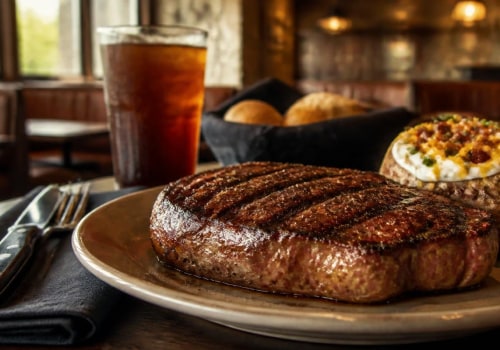
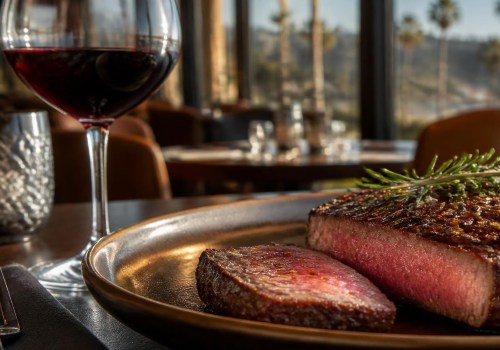
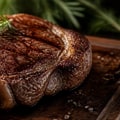
Welcome to the San Diego Steakhouse Report, where we delve into the art of steak preparation and uncover the secrets to achieving culinary perfection. If you've ever savored a beautifully seared steak with a mouthwatering crust, you know that it can elevate your dining experience from ordinary to extraordinary. In this guide, we will explore the techniques and tips for mastering the perfect crust on steak, ensuring that each bite is packed with flavor and texture. Whether you're preparing for a special occasion or simply indulging in a weekday meal, understanding how to achieve that coveted crust is essential for any steak lover. The right searing technique not only locks in juices but also creates a delightful contrast between the tender interior and the crisp exterior.
Join us as we navigate through various methods, tools, and expert insights that will transform your cooking skills and help you impress family and friends alike. At San Diego Steakhouse Report, we believe that a great steak starts with great preparation. Let’s dive into the world of pan-searing and discover how to achieve that perfect crust that will have everyone asking for seconds!Achieving the perfect crust on steak is an essential skill for any steak lover, whether you are dining in a prime steakhouse or cooking at home. The San Diego Steakhouse Report emphasizes that the crust not only enhances the flavor and texture of the steak but also elevates the overall dining experience. Understanding how to create that delightful sear can significantly enhance your culinary adventures, allowing you to enjoy steak at its finest. One of the most effective methods for achieving a perfect crust is through pan-searing.
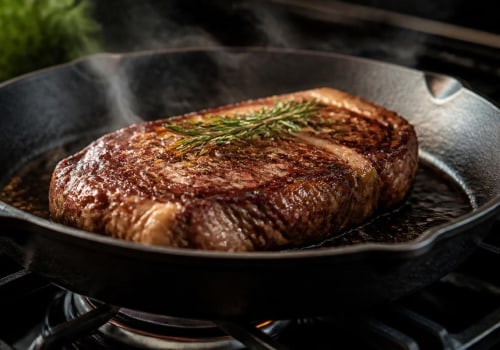
This technique involves cooking the steak in a hot pan, typically made of cast iron, which retains and distributes heat exceptionally well. The high temperature facilitates the Maillard reaction, a chemical reaction between amino acids and reducing sugars that creates that desirable brown crust while locking in juices and flavor. For optimal results, preheat your cast iron pan until it is smoking hot before introducing your steak. When it comes to selecting your steak, the quality of the cut plays a crucial role in achieving that desired crust. Cuts like USDA PrimeUSDA Prime and Wagyu are known for their marbling and tenderness, which contribute to a more flavorful and juicy final product.
The higher fat content in these premium cuts not only enhances the taste but also helps create a beautiful crust when cooked properly. For home cooks, investing in high-quality meat can make all the difference in your cooking results. Seasoning is another critical aspect of achieving a perfect crust. A simple combination of kosher salt and freshly cracked black pepper is often recommended. However, you can experiment with other spices or marinades to elevate the flavor profile.
Just be mindful not to overpower the natural flavor of the meat. Additionally, choosing the right oil is essential; oils with high smoke points, such as canola or grapeseed oil, are preferred as they withstand high temperatures without burning. Temperature control is paramount when cooking steak. For a perfectly cooked medium-rare steak with an ideal crust, aim for an internal temperature of 130-135°F (54-57°C). Using a meat thermometer can help ensure you hit this target accurately.
Additionally, let your steak rest after cooking, allowing juices to redistribute throughout the meat for a succulent bite. Understanding these techniques can also enhance your experience when visiting a steakhouse. When dining out, knowing how to achieve a perfect crust allows you to appreciate the chef's skills better and understand what to look for on the menu. For special occasions like date nights or business dinners, consider ordering cuts like ribeye or filet mignon, which are popular for their tenderness and rich flavor. Pairing these cuts with suitable sides such as creamy mashed potatoes or grilled asparagus, along with a glass of full-bodied red wine like Cabernet Sauvignon or Malbec, can elevate your dining experience further. It's worth noting that there may be differing opinions on cooking methods among steak enthusiasts.
Some may swear by sous-vide techniques or grilling over open flames, each with its advantages. However, mastering pan-searing remains one of the most reliable methods for achieving that coveted crust at home. Regardless of personal preferences, understanding these basics will allow you to enjoy steak at its peak potential, both when preparing meals for yourself and when dining at establishments recommended by the San Diego Steakhouse Report.In summary, achieving the perfect crust on steak involves various techniques and considerations that can significantly enhance both home cooking and restaurant experiences. By focusing on quality cuts, seasoning properly, controlling temperatures, and utilizing effective cooking methods like pan-searing, anyone can master this skill and enjoy steak as it was meant to be savored.
Perfect Pairings for Special Occasions
When it comes to enjoying a great steak, the San Diego Steakhouse Report understands that selecting the right steakhouse for your occasion can make all the difference.Whether you're planning a romantic dinner for two or a crucial business meeting, choosing the right ambiance and menu can elevate your dining experience. For romantic dinners, consider steakhouses that offer intimate settings with dim lighting and cozy booths. Look for places that have a reputation for not only serving excellent cuts of meat but also providing an exquisite wine selection to complement your meal. A restaurant with a warm atmosphere and attentive service can turn an ordinary night out into a memorable experience. On the other hand, if you're organizing a business meeting, you might want to choose a steakhouse known for its professional atmosphere and private dining options. A venue that provides a quiet setting can help facilitate important conversations without distractions.
Additionally, having a menu that caters to various dietary preferences, such as vegetarian or gluten-free options, is crucial in accommodating all attendees. Ultimately, by utilizing the resources available through the San Diego Steakhouse Report, you can make informed choices about which steakhouse best suits your special occasion, ensuring that both the food and the atmosphere align with your intentions.
Understanding the Maillard Reaction
The Maillard reaction is a complex chemical process that occurs when proteins and sugars in food are exposed to heat. This reaction is responsible for the browning of meat and is crucial for creating a great steak crust. When you sear a steak at high temperatures, the Maillard reaction begins to take place, resulting in the development of rich flavors and a desirable texture. This is not just about aesthetics; the perfect crust enhances the overall taste experience, providing that savory umami flavor that makes steak so irresistible.The San Diego Steakhouse Report emphasizes the importance of understanding this process, as it can significantly elevate your steak experience whether you're dining out at one of San Diego's prime steakhouses or cooking at home. During the Maillard reaction, various compounds form, contributing to the depth of flavor and aroma associated with well-cooked meats. The ideal temperature for this reaction to occur is generally above 300°F (150°C). When you achieve this temperature while searing your steak, you not only create a beautiful brown crust but also lock in juices and flavors, which are vital for a succulent bite. Mastering this technique is essential for anyone looking to perfect their steak preparation skills. Understanding the Maillard reaction allows you to manipulate cooking techniques to achieve that perfect crust every time.
For instance, ensuring your pan or grill is adequately preheated before placing the steak can make all the difference. As you explore different cuts and preparations, keep this fundamental cooking principle in mind—it's a key step in mastering the art of steak preparation.
Choosing the Right Steak Cut
When it comes to mastering the perfect crust on steak, choosing the right steak cut is crucial. Different cuts offer varying levels of tenderness, flavor, and fat content, which ultimately contribute to the crust's texture and taste. At establishments highlighted by the San Diego Steakhouse Report, you can find a selection of premium cuts, including USDA Prime and Wagyu, each with its own unique characteristics.USDA Prime
beef is known for its exceptional marbling, which enhances flavor and tenderness.This cut typically comes from younger cattle and is graded based on its fat content and quality. When seared properly, a USDA Prime steak can develop a rich, flavorful crust that elevates your dining experience. On the other hand, Wagyu beef, particularly the Japanese varieties, is renowned for its intense marbling and buttery texture. The high-fat content in Wagyu allows it to form an incredibly luxurious crust when cooked at high temperatures. This cut is perfect for those looking to indulge in a steak that not only satisfies the palate but also provides a memorable culinary experience. Understanding these differences in cuts will empower you to make informed decisions whether you're enjoying a night out at a premier steakhouse or preparing a meal at home.
By opting for high-quality cuts like USDA Prime or Wagyu, you set the foundation for achieving that perfect crust that enhances both flavor and texture. The San Diego Steakhouse Report serves as an excellent resource in helping you navigate the diverse offerings of steakhouses across San Diego County, ensuring you select the right cut for your next steak adventure.
Essential Pan-Searing Techniques
To achieve the perfect crust on your steak, mastering the art of pan-searing is essential. This method not only enhances the flavor but also creates a delightful texture that elevates your overall steak experience. Presented by the San Diego Steakhouse Report, this guide will walk you through step-by-step instructions that will help you achieve that coveted crust whether you're cooking at home or simply looking to understand the technique better before dining out.Step 1: Choosing the Right Cut
Select a steak cut that is at least 1-inch thick, such as ribeye, sirloin, or filet mignon. Thicker cuts hold up better during the cooking process and allow for a nice sear without overcooking the interior.
Step 2: Preparing the Steak
Remove your steak from the refrigerator and let it come to room temperature for about 30 minutes.
This helps in achieving an even cook throughout. Pat the steak dry with paper towels to remove excess moisture; moisture can hinder the formation of a good crust.
Step 3: Seasoning
Generously season both sides of the steak with kosher salt and freshly ground black pepper. The salt not only enhances flavor but also aids in forming that delicious crust.
Step 4: Preheating Your Pan
Use a heavy-bottomed skillet, preferably cast iron or stainless steel, for optimal heat retention. Preheat the pan over medium-high heat until it is very hot.
You can test this by sprinkling a few drops of water in the pan—if they sizzle and evaporate immediately, the pan is ready.
Step 5: Adding Fat
Add a high smoke point oil, such as canola or grapeseed oil, to the pan. Swirl the oil around to coat the bottom evenly. Wait until the oil shimmers before adding your steak; this indicates it's hot enough for searing.
Step 6: Searing
Place the steak in the pan gently and let it sear without moving it for about 4-5 minutes. This undisturbed cooking allows for a beautiful crust to form.
After a few minutes, check if it’s ready to flip by gently lifting one edge with tongs; if it releases easily, it’s time to turn it over.
Step 7: Flipping and Basting
Once flipped, reduce the heat to medium and add a couple of tablespoons of butter, along with aromatics like garlic and thyme. As the butter melts, tilt the pan slightly and use a spoon to baste the melted butter over the steak. This adds rich flavor and helps develop an even better crust.
Step 8: Checking Doneness
Use a meat thermometer to check for doneness—130°F for medium-rare, 140°F for medium. Remember that carryover cooking will raise the internal temperature slightly after you remove it from the heat.
Step 9: Resting
After cooking, let your steak rest on a cutting board for about 5-10 minutes before slicing.
This allows juices to redistribute throughout the meat, ensuring every bite is juicy and flavorful. By following these essential pan-searing techniques, you can achieve the perfect crust on your steak, enhancing your culinary experience whether you're preparing a meal at home or indulging at one of San Diego's finest steakhouses mentioned in San Diego Steakhouse Report.In conclusion, achieving the perfect crust on steak is an art that enhances both flavor and texture, making each bite a memorable experience. By understanding the Maillard reaction, selecting the right cut of meat, and mastering essential pan-searing techniques, you can elevate your steak game significantly. These skills not only improve your culinary creations at home but also enrich your dining experiences at some of San Diego's finest steakhouses. With the insights from the San Diego Steakhouse Report, you are equipped to choose the best dining destination or impress guests with your cooking prowess. We encourage you to apply these techniques during your next steak night or to explore the curated recommendations from the San Diego Steakhouse Report, ensuring that your next steak experience is nothing short of exceptional.