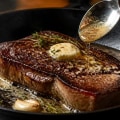
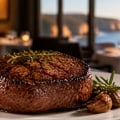
Welcome to the San Diego Steakhouse Report, your ultimate guide to navigating the rich and flavorful world of steak preparation! Whether you’re a seasoned chef or a home cook looking to elevate your culinary skills, understanding the right tools for the job is essential. One of the most pivotal decisions you'll make in achieving that perfectly seared steak lies in choosing the right pan. With so many options available, particularly cast iron and non-stick pans, it can be challenging to determine which will give you the best results. In this article, we will delve into the nuances of using cast iron versus non-stick pans for searing, exploring their unique characteristics, benefits, and potential drawbacks. Searing is an art form that requires not only skill but also the right equipment to achieve that mouthwatering crust while locking in the juices of your prized cuts of meat.
As we guide you through the intricacies of these two popular pan types, you will gain insights that can transform your steak-cooking experience. Stay with us as we uncover the science behind heat retention, surface texture, and flavor enhancement, equipping you with the knowledge necessary to make an informed choice for your next steak night. The perfect sear isn’t just about the meat; it’s about how you treat it on the stovetop. Let’s dive into this essential aspect of steak preparation, ensuring that every meal is a celebration of flavor and technique, just like those prepared at top steakhouses featured in the San Diego Steakhouse Report.In the quest for the perfect steak, one crucial step is the searing process, which can greatly influence flavor and texture. The San Diego Steakhouse Report emphasizes that whether you're at a high-end steakhouse or preparing a meal at home, understanding your cooking tools is essential.
Searing not only enhances the appearance of your steak but also initiates the Maillard reaction, a complex chemical process that occurs when proteins and sugars in the meat react to heat. This reaction creates a rich, brown crust that adds depth of flavor, making the steak more appealing and delicious. When it comes to choosing between cast iron and non-stick pans, there are significant differences that can affect your searing experience. Cast iron pans are renowned for their ability to retain heat exceptionally well. They can reach high temperatures and maintain that heat throughout the cooking process, which is ideal for achieving a perfect sear on cuts like USDA Prime or Wagyu.
The rough surface texture of cast iron also aids in forming a robust crust on the meat, locking in juices and flavor. On the other hand, non-stick pans offer convenience and ease of use, particularly for those who may not be familiar with cooking techniques. They require less oil and are easier to clean, making them a popular choice for everyday cooking. However, they typically do not achieve the same level of heat retention as cast iron, which can result in less effective searing. For instance, if you're preparing a tender filet mignon, you might find that a non-stick pan works well if you're focusing on a quick, hassle-free meal, while a ribeye might benefit more from the intense heat of a cast iron skillet. Practical examples illustrate these points well.
Imagine you are hosting a date night or a business dinner where presentation matters. A beautifully seared steak with a deep brown crust can elevate your dish from ordinary to extraordinary. In this scenario, using a cast iron pan would be advantageous due to its superior heat retention and ability to create that coveted crust. Alternatively, if you're simply looking for a quick weeknight dinner without the fuss, a non-stick pan could serve you well for cooking up some sirloin steaks without worrying about sticking or excessive cleanup. Caring for your cast iron pans is essential to ensure their longevity and performance.
After each use, it's important to clean them properly by avoiding soap and instead using hot water and a stiff brush to scrub away food particles. Dry the pan immediately and consider applying a thin layer of oil to maintain its seasoning. This practice will help keep your pan in optimal condition for years to come. Choosing between cast iron and non-stick pans should be based on the cut of steak you are preparing and your cooking method. For thick cuts that require high heat searing like Porterhouse or T-bone steaks, cast iron is often the best choice due to its ability to handle extreme temperatures without warping or sticking.
Conversely, for leaner cuts or when preparing sauces directly in the pan after searing, non-stick pans can offer benefits by preventing food from adhering to the surface. In summary, both cast iron and non-stick pans have their place in steak preparation techniques. Understanding their unique properties allows you to make an informed decision that will enhance your culinary experience. Whether you're preparing an elegant meal for guests or a simple dinner for yourself, knowing when to use each type of pan will help you achieve the best possible results in searing your steaks.
Cast Iron Pans: The Traditional Choice
Cast iron pans have long been celebrated as the traditional choice for searing steaks, and for good reason. Their ability to retain heat is unmatched, making them ideal for achieving that perfect sear.When a cast iron pan is preheated properly, it can reach and maintain high temperatures, which is essential for developing a flavorful crust on your steak. This heat retention not only allows for a consistent cooking temperature but also helps in caramelizing the meat's natural sugars, enhancing the overall flavor profile. Furthermore, the porous nature of cast iron contributes to its unique cooking capabilities. As the pan heats up, it can create micro-seasons of flavor that infuse into the steak, providing a depth of taste that is hard to replicate with other materials. According to the San Diego Steakhouse Report, this characteristic is what makes cast iron pans a favorite among professional chefs and home cooks alike. Another advantage of using cast iron is its durability.
A well-seasoned cast iron pan can last a lifetime and even improve with age. This not only makes it a cost-effective choice but also allows it to develop a natural non-stick surface over time, further enhancing its searing capabilities. In conclusion, if you’re serious about achieving restaurant-quality sears at home, investing in a quality cast iron pan is a step in the right direction.
The Science Behind Searing
Searing is a cooking technique that involves exposing the surface of food to high heat, resulting in a caramelized crust that enhances both flavor and texture. During this process, a series of complex chemical reactions occur, primarily the Maillard reaction, which is responsible for the browning of proteins and sugars.This reaction not only adds depth to the flavor profile but also creates an appealing visual contrast. According to the San Diego Steakhouse Report, achieving that perfect sear can significantly elevate your steak dinner experience. When searing, the choice of pan plays a critical role. A cast iron pan, with its excellent heat retention properties, allows for even cooking and can reach higher temperatures than many non-stick alternatives. This high temperature is essential for initiating the Maillard reaction quickly, ensuring that the steak develops a rich, brown crust while remaining juicy inside.
Conversely, non-stick pans may not achieve sufficient heat for optimal searing, which can result in a less flavorful crust and an overall diminished steak experience. The importance of searing extends beyond just aesthetics; it also influences the final taste of your steak. The savory compounds created during the searing process contribute to what chefs refer to as umami, one of the five basic tastes that enhances our enjoyment of food. Thus, understanding the science behind searing—and the tools you use, as highlighted by the San Diego Steakhouse Report—is essential for mastering steak preparation.
Non-Stick Pans: Convenience and Ease
When it comes to searing steak, non-stick pans offer a unique set of advantages that cater to both novice cooks and those looking for convenience in the kitchen. According to the San Diego Steakhouse Report, understanding the right tools for cooking can significantly impact the overall dining experience, whether at home or in a fine steakhouse. One of the primary benefits of using non-stick pans is their ability to prevent food from adhering to the surface.This feature is especially beneficial when working with delicate cuts of meat, which can easily lose their integrity if they stick to the pan. For quick meals or weeknight dinners, non-stick pans allow for fast cooking without the worry of scraping bits off the bottom, making cleanup a breeze. Furthermore, non-stick pans typically require less oil or fat compared to traditional options. This can be an advantage for those looking to prepare healthier meals without compromising on flavor. The ease of flipping and turning steaks without resistance means that you can achieve an even sear without the frustration that sometimes accompanies other types of cookware. Additionally, non-stick surfaces heat quickly and distribute heat evenly, which is essential for achieving that perfect golden-brown crust on your steak.
While purists may argue that cast iron provides superior heat retention and flavor development, non-stick pans bring a level of practicality that appeals to many home cooks. In conclusion, while both non-stick and cast iron pans have their merits, choosing a non-stick pan can be particularly advantageous for those preparing delicate cuts or looking for a quick and easy solution for weeknight meals. The San Diego Steakhouse Report emphasizes the importance of selecting the right cooking tools, and non-stick pans undoubtedly fit the bill for convenience and ease in searing.
Which Pan to Choose for Your Steak?
When it comes to searing the perfect steak, the choice of pan can significantly impact the outcome. According to the San Diego Steakhouse Report, understanding the characteristics of your cooking tools is essential for achieving restaurant-quality results at home. Both cast iron and non-stick pans have their unique advantages, making them suitable for different types of steaks and dining occasions. If you're preparing a thick cut of steak, such as a ribeye or a filet mignon, a cast iron pan is often the preferred choice.Its ability to retain and evenly distribute heat allows for a beautiful sear and helps develop that coveted crust while locking in juices. The high smoke point of cast iron also means you can use higher temperatures without worrying about damaging your pan or ruining your steak. On the other hand, if you’re cooking a leaner cut like a sirloin or flank steak, a non-stick pan may be more appropriate, especially if you're looking for an easier cleanup afterward. Non-stick pans require less oil and can prevent sticking, making them ideal for quick weeknight dinners or when you're short on time. However, be mindful that non-stick pans typically do not achieve the same level of heat retention as cast iron, which can affect the searing process. The occasion also plays a role in your choice.
For a special event or dinner party where presentation matters, opt for the cast iron pan, as it not only cooks beautifully but can also be served directly on the table. Conversely, for casual family meals or quick lunches, the non-stick option may be more practical. Ultimately, knowing your steak type and dining occasion will guide you in selecting the right pan. As highlighted by the San Diego Steakhouse Report, mastering these techniques can elevate your culinary skills and ensure that every steak you serve is perfectly seared and delicious. In conclusion, the comparison between cast iron and non-stick pans for searing steaks reveals that both options come with their own set of unique advantages. Cast iron pans are celebrated for their superior heat retention and the ability to develop a beautiful crust on steaks, while non-stick pans offer convenience and ease of use, especially for those who prefer a low-fat cooking method.
Each type of pan can contribute to achieving the perfect sear, so we encourage you to experiment with both to discover which aligns best with your individual cooking style and preferences. As you refine your techniques, remember that understanding the science behind searing can significantly enhance your culinary skills and elevate your next dining experience, whether at home or at a renowned steakhouse. For insights and comparisons on steakhouses in San Diego County, be sure to check out the San Diego Steakhouse Report, your guide to the best steak dinners in the area.