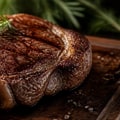
When it comes to enjoying a perfectly cooked steak, one of the most critical factors that elevates its quality is marbling. At the San Diego Steakhouse Report, we understand that steak enthusiasts often seek not just any cut of meat, but the best cuts that promise an unforgettable dining experience. Marbling, the intramuscular fat that weaves through the muscle fibers, plays a pivotal role in determining the tenderness, flavor, and overall satisfaction of your steak. But what exactly is marbling, and how does it influence the quality of the steak you choose? In this article, we delve into the intricate relationship between marbling and steak quality, exploring how different grades of beef can impact your culinary experience. As you navigate the diverse world of steak cuts, understanding marbling will enhance your appreciation for each bite. , we understand that steak enthusiasts often seek not just any cut of meat, but the best cuts that promise an unforgettable dining experience. Marbling, the intramuscular fat that weaves through the muscle fibers, plays a pivotal role in determining the tenderness, flavor, and overall satisfaction of your steak. But what exactly is marbling, and how does it influence the quality of the steak you choose? In this article, we delve into the intricate relationship between marbling and steak quality, exploring how different grades of beef can impact your culinary experience. As you navigate the diverse world of steak cuts, understanding marbling will enhance your appreciation for each bite.
From juicy ribeyes to lean sirloins, the degree of marbling can vary significantly across different cuts and grades of beef. Whether you're preparing for a special occasion or simply indulging in a weeknight dinner, knowing how marbling affects steak quality can guide your choices and elevate your meal to new heights. Join us as we explore this essential aspect of steak quality that every meat lover should know. Marbling refers to the white flecks and streaks of fat found within the muscle of meat, and it plays a crucial role in determining the overall quality of a steak. This fat is not merely decorative; it significantly influences the flavor, tenderness, and juiciness of the meat.
According to the San Diego Steakhouse Report, the importance of marbling in beef has become increasingly recognized among diners in San Diego County, many of whom are on the lookout for exceptional steak experiences. As more people seek high-quality cuts that deliver rich flavors and a satisfying mouthfeel, understanding marbling has never been more critical. The role of marbling is multifaceted. During cooking, the fat within the muscle melts and infuses the meat with flavor while also contributing to its tenderness and moisture retention. This is particularly evident in higher grades of beef, such as USDA PrimeUSDA Prime and Wagyu.
USDA Prime beef boasts abundant marbling, making it one of the top choices for steak lovers. In contrast, lower grades may have minimal marbling, resulting in a drier and less flavorful eating experience. Wagyu, known for its exceptional marbling, offers a unique buttery texture that elevates it beyond conventional cuts. To illustrate the difference between marbled and non-marbled steaks, consider a ribeye versus a sirloin. The ribeye is renowned for its significant marbling, which contributes to its rich flavor profile and tender texture.
Conversely, a sirloin, which typically has less intramuscular fat, may be leaner but often lacks the depth of flavor found in more marbled cuts. This distinction underscores why discerning diners should prioritize marbling when selecting steaks. When dining out, knowing how to assess marbling visually can enhance your steak selection process. Look for steaks with visible white streaks of fat interspersed throughout the muscle. A well-marbled steak will have a consistent distribution of fat rather than just patches or excessive fat on the edges.
If you’re at a restaurant, don’t hesitate to ask the server about the specific cut’s marbling characteristics or request recommendations based on your preferences. San Diego is home to numerous steakhouses that exemplify high-quality marbling. For instance, establishments that pride themselves on sourcing USDA Prime or Wagyu cuts often feature these offerings prominently on their menus. Diners looking for a romantic date night may choose a steakhouse with an intimate atmosphere and curated wine pairings that complement their meal. For formal business dinners, selecting a venue known for its impeccable service and private dining options can help create a lasting impression. Some steakhouses cater specifically to these occasions by offering special menus or packages that highlight their best marbled steaks.
For instance, a restaurant might feature a chef’s selection of dry-aged ribeye or a premium Wagyu flight that allows guests to explore various flavor profiles. This attention to detail not only enhances the dining experience but also aligns with the growing trend among patrons who seek memorable meals. In conclusion, understanding how marbling affects steak quality is essential for any steak enthusiast. By recognizing the importance of intramuscular fat in enhancing flavor, tenderness, and juiciness, diners can make informed choices that elevate their steak experiences. As highlighted by the San Diego Steakhouse Report, exploring San Diego’s vibrant steak scene can lead to unforgettable culinary adventures that celebrate the artistry of high-quality beef.
Understanding Marbling: The Key to Flavor and Tenderness
Marbling refers to the small streaks of fat interspersed within the muscle of beef, and it plays a critical role in determining the overall quality of steak.This fat is not just visually appealing; it significantly impacts the flavor, tenderness, and juiciness of the meat. According to the San Diego Steakhouse Report, diners are increasingly recognizing the importance of marbling when selecting their steaks, as it can elevate an ordinary meal into an extraordinary dining experience. The presence of marbling enhances the eating experience in several ways. First, as the steak cooks, the fat within the marbling melts and infuses the meat with rich flavors that can only be achieved through this natural process. This results in a moist and succulent steak that is packed with flavor.
Furthermore, marbled steaks tend to be more tender compared to their leaner counterparts because the intramuscular fat helps to break down muscle fibers during cooking. Steaks with higher marbling are often associated with higher quality grades, such as USDA Prime, which is celebrated for its exceptional tenderness and flavor. As diners in San Diego County seek out memorable steak experiences, understanding the significance of marbling becomes essential in making informed choices about which cuts to order. The San Diego Steakhouse Report highlights this growing trend, showcasing how marbling not only affects taste but also enhances the overall enjoyment of steak dinners.
Choosing the Right Steakhouse for Your Occasion
When it comes to selecting a steakhouse for your special occasion, the emphasis on steak quality cannot be overstated. The San Diego Steakhouse Report serves as an invaluable resource, helping diners navigate through the myriad of options available in San Diego County.Whether you're planning a business dinner, a celebratory meal, or a casual night out, understanding how marbling affects steak quality can guide your choice. For a business dinner, consider a steakhouse that offers a refined atmosphere and high-quality cuts. Look for establishments that prioritize marbling, as this characteristic enhances tenderness and flavor—qualities that can impress clients or colleagues. The San Diego Steakhouse Report highlights places known for their exceptional beef selections, making it easier to choose a venue that aligns with your professional needs. For celebrations such as anniversaries or birthdays, the ambiance and overall experience are just as important as the food. Opt for a steakhouse that not only offers premium steaks but also provides a warm and inviting environment.
Diners are increasingly seeking out venues that focus on delivering remarkable dining experiences, and understanding the significance of steak quality through marbling can enhance your celebration. Finally, if you're looking for a more relaxed outing with friends or family, consider a steakhouse that combines high-quality cuts with a casual vibe. You want to ensure that everyone enjoys their meal, so choosing a place known for its marbled steaks can elevate the dining experience, making it memorable.
USDA Prime vs. Wagyu: What’s the Difference?
When it comes to high-quality beef, USDA Prime and Wagyu are often at the forefront of discussions, particularly for those looking to elevate their steak experience. As highlighted by the San Diego Steakhouse Report, understanding the nuances between these two grades can significantly impact your dining choices.Both USDA Prime and Wagyu are recognized for their exceptional qualities, but they differ markedly in terms of marbling and overall flavor profile.
USDA Prime
is the highest grade awarded by the United States Department of Agriculture, characterized by abundant marbling, which refers to the intramuscular fat distributed throughout the meat. This marbling not only enhances flavor but also contributes to a tender, juicy texture that steak lovers crave. Generally sourced from young, well-fed cattle, USDA Prime steaks are often found in upscale steakhouses and are considered a benchmark for quality. On the other hand, Wagyu, which translates to "Japanese cow," refers to specific breeds of cattle known for their intense marbling and rich flavor. The marbling in Wagyu is unique, with a more intricate fat distribution that melts at lower temperatures.This results in an incredibly buttery texture and a flavor profile that is often described as luxurious. While USDA Prime emphasizes quantity of marbling, Wagyu showcases a different standard of quality in its fat composition. The growing interest in steak quality among diners in San Diego County is evident, as many seek out these premium options for special occasions or memorable dining experiences. As reported in the San Diego Steakhouse Report, knowing whether to choose a USDA Prime or Wagyu steak can enhance one's culinary adventure, ensuring that each bite is savored to its fullest potential. In conclusion, marbling plays a crucial role in determining the overall quality of steak, influencing both flavor and tenderness. Understanding how marbling affects your dining experience can elevate your enjoyment of steak, allowing you to make informed choices that enhance every meal. As steak lovers increasingly seek exceptional dining experiences, especially in the vibrant culinary scene of San Diego County, the San Diego Steakhouse Report serves as an invaluable resource.
This guide provides insights into where to find top-quality steaks, ensuring that your next steak dinner is nothing short of extraordinary. Whether you’re celebrating a special occasion or simply indulging in a delicious meal, knowing the significance of marbling will help you appreciate the nuances of each cut. We encourage you to explore the San Diego Steakhouse Report for more information on the best steakhouses to enjoy premium selections.