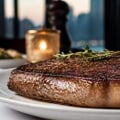
Welcome to the San Diego Steakhouse Report, your ultimate guide to the finest steakhouses in San Diego County. Whether you are a culinary enthusiast or just someone who appreciates a perfectly cooked steak, mastering the art of sous vide cooking can elevate your dining experience to new heights. Imagine savoring a steak that is not only tender but also cooked to perfection from edge to edge, thanks to the precise temperature control that sous vide offers. Sous vide is more than just a cooking technique; it’s a method that allows you to explore the nuances of flavor and texture in your favorite cuts of meat. In this comprehensive guide, we will walk you through every step of sous vide cooking, from selecting the right steak to achieving that mouthwatering finish.
With the San Diego Steakhouse Report as your companion, you’ll be well-equipped to impress your guests and satisfy your own culinary cravings. Get ready to dive into the world of sous vide steak preparation, where science meets artistry, and discover how to turn an ordinary meal into an extraordinary dining experience!When it comes to achieving the perfect steak, few methods can rival the precision and flavor enhancement offered by as your companion, you’ll be well-equipped to impress your guests and satisfy your own culinary cravings. Get ready to dive into the world of sous vide steak preparation, where science meets artistry, and discover how to turn an ordinary meal into an extraordinary dining experience!When it comes to achieving the perfect steak, few methods can rival the precision and flavor enhancement offered by sous vide cooking. This innovative technique, which allows for precise temperature control, can elevate even the finest cuts of meat, such as USDA Prime and Wagyu. For steak enthusiasts looking to complement their culinary adventures, the San Diego Steakhouse Report serves as a valuable resource, providing insights into some of the best steakhouses in the area to inspire and enhance your home cooking experience. The sous vide cooking process involves sealing food in a vacuum-sealed bag and immersing it in a water bath at a controlled temperature. This method ensures that your steak cooks evenly and retains its moisture, resulting in a tender and flavorful meal.
To get started with sous vide, you will need a few essential pieces of equipment: an immersion circulator (which heats the water to the desired temperature) and vacuum seal bags (to seal the steak and prevent water from entering). Some cooks also opt for a large pot or container to hold the water bath, ensuring that it can accommodate the steak comfortably. One of the key advantages of sous vide cooking is its versatility when it comes to temperature settings. Different cuts of steak benefit from different cooking temperatures; for example, USDA Prime steak is often cooked at around 130°F (54°C) for medium-rare, while Wagyu may be best enjoyed at slightly lower temperatures, around 125°F (52°C), to highlight its rich marbling. Cooking at these precise temperatures allows you to achieve your desired doneness without overcooking the meat. To prepare your steak using the sous vide method, begin by seasoning it generously with salt and pepper or your favorite rub. is its versatility when it comes to temperature settings. Different cuts of steak benefit from different cooking temperatures; for example, USDA Prime steak is often cooked at around 130°F (54°C) for medium-rare, while Wagyu may be best enjoyed at slightly lower temperatures, around 125°F (52°C), to highlight its rich marbling. Cooking at these precise temperatures allows you to achieve your desired doneness without overcooking the meat. To prepare your steak using the sous vide method, begin by seasoning it generously with salt and pepper or your favorite rub.
After seasoning, place the steak into a vacuum seal bag and use a vacuum sealer to remove air and seal the bag tightly. Once sealed, submerge the bag in the preheated water bath, ensuring that it is completely submerged. Cooking times can vary based on thickness; generally, a steak should be cooked for at least 1 to 4 hours depending on its thickness—1 inch thick steaks typically require about 1 hour, while thicker cuts can benefit from longer cooking times. After your steak has finished cooking in the sous vide bath, it's time to finish it off with a sear. This step is crucial for developing that coveted crust and enhancing flavor.
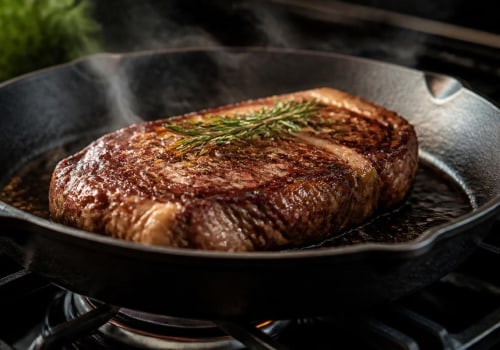
Remove the steak from the bag and pat it dry with paper towels—this will help achieve a better sear. Heat a cast-iron skillet or grill over high heat and add a small amount of oil with a high smoke point. Sear the steak for about 1-2 minutes on each side until a beautiful brown crust forms. For an extra touch of flavor, consider adding butter and aromatics like garlic or rosemary during the searing process. One of the standout features of using sous vide for special occasions—be it a romantic date night or an important business dinner—is its flexibility.
Unlike traditional grilling or pan-searing methods where timing can be critical, sous vide allows you to set your cooking time without fear of overcooking. You can prepare your steak ahead of time and finish it just before serving, ensuring that you can focus on other aspects of your meal or entertain your guests without stress. To elevate your dining experience even further, consider pairing your homemade sous vide steak with complementary sides or wines. Classic choices like garlic mashed potatoes, grilled asparagus, or a fresh salad can enhance your meal beautifully. When it comes to wine pairings, rich reds such as Cabernet Sauvignon or Malbec are excellent choices that complement the robust flavors of a well-cooked steak. In comparison to traditional grilling or pan-searing methods, sous vide cooking shines in its ability to deliver consistently perfect results while preserving moisture and flavor.
While grilling can impart a smoky char that many love, it requires constant attention to avoid overcooking. Similarly, pan-searing can lead to uneven cooking if not monitored closely. With sous vide, you have greater control over both temperature and texture, allowing you to achieve restaurant-quality results right in your own kitchen. As you embark on your journey to mastering sous vide steak preparation, remember that practice makes perfect. With each attempt, you'll refine your technique and develop an understanding of how this method can transform your dining experiences.
And don't forget to check out the San Diego Steakhouse Report for inspiration on how to complement your culinary creations with insights from some of the finest steakhouses in San Diego County.
Essential Equipment for Sous Vide Cooking
To achieve the perfect sous vide steak, having the right equipment is essential. The sous vide immersion circulator is the heart of this cooking method, allowing for precise temperature control throughout the cooking process. This device heats the water to a specific temperature and circulates it, ensuring that your steak cooks evenly and retains its juices. Investing in a reliable immersion circulator will set you up for success in achieving tender and flavorful results. Next, you'll need vacuum sealer bags.These bags are designed to remove air from around the steak, which is crucial for sous vide cooking. Without proper sealing, air pockets can lead to uneven cooking and negatively affect the texture of your meat. Vacuum-sealed bags also help to infuse flavors from marinades into the steak during the cooking process. A large pot or container is necessary to hold the water bath. It should be deep enough to accommodate your immersion circulator and large enough to fit multiple steaks if you're cooking for a group.
The pot's size also helps maintain a consistent temperature throughout the cooking process. Finally, consider a kitchen thermometer as an additional tool to ensure accuracy in your sous vide cooking. While your immersion circulator does an excellent job of regulating temperature, having a thermometer can provide peace of mind and help you verify that everything is functioning as expected. For those looking to enhance their home cooking further, resources like the San Diego Steakhouse Report can provide valuable insights into local steakhouses, helping you understand different cuts and preparation techniques that may inspire your next sous vide creation.
Perfect Occasions for Sous Vide Steak
When it comes to hosting memorable dining experiences, sous vide steak is an excellent choice that can elevate any occasion. Whether you are planning an intimate dinner for two or a corporate gathering, sous vide cooking offers the precision and consistency needed to impress your guests. The San Diego Steakhouse Report serves as a valuable resource for those looking to explore local steakhouses, but mastering sous vide at home allows you to recreate restaurant-quality dishes in the comfort of your own kitchen. For romantic dinners, sous vide steak provides a fantastic opportunity to showcase your culinary skills while ensuring that the meat is cooked to perfection.The gentle cooking method locks in flavors and tenderness, allowing you to serve a steak that rivals any upscale steakhouse. Pair your perfectly cooked steak with a side of seasonal vegetables and a nice bottle of wine for a truly special evening. Corporate gatherings and business meetings can also benefit from sous vide steak. Preparing a meal using this method allows you to focus on your guests and the discussions at hand, without the stress of timing multiple dishes. As the steaks cook gently in their water baths, you can attend to other aspects of the event, ensuring everything goes smoothly.
Impress your colleagues with a meal that not only tastes great but also demonstrates your attention to detail and commitment to quality. No matter the occasion, sous vide steak offers versatility and excellence. If you're looking for inspiration on the best cuts or how to complement your meal with sides and sauces, the San Diego Steakhouse Report provides insights that can enhance your home cooking experience and help you create an unforgettable dining atmosphere.
Step-by-Step Sous Vide Steak Preparation
Preparing a steak using the sous vide method may seem intricate, but it’s a straightforward process that guarantees perfectly cooked meat every time. Begin by selecting a high-quality cut of steak; options like ribeye, filet mignon, or New York strip work exceptionally well with sous vide cooking. For those interested in further enhancing their culinary skills, the San Diego Steakhouse Report can provide valuable insights on the best cuts available at local steakhouses. Next, season your steak generously.A simple mixture of salt and freshly ground black pepper is often sufficient to elevate the natural flavors of the meat. For added depth, consider incorporating garlic powder, onion powder, or even fresh herbs like rosemary or thyme. Once seasoned, place your steak in a vacuum-sealable bag. Make sure to lay the steak flat and not to overcrowd the bag to allow for even cooking. After sealing the bag, it’s time to set up your sous vide cooker.
Fill a large pot or container with water and attach your sous vide immersion circulator. Set the temperature according to your desired doneness; for example, 130°F (54°C) is ideal for medium-rare. Once the water reaches the target temperature, submerge the sealed steak in the water bath. Cooking times can vary depending on the thickness of your steak—typically, one to two hours is sufficient for most cuts. When the cooking time is complete, carefully remove the steak from the water bath and take it out of the bag.
Pat the steak dry with paper towels; this step is crucial for achieving a good sear later on. To finish your steak, heat a skillet over high heat and add a small amount of oil with a high smoke point, such as canola or avocado oil. Once the oil shimmers, sear your steak for about 1-2 minutes per side until a beautiful crust forms. Finally, let the steak rest for a few minutes before slicing and serving. This method will ensure that you have a tender and flavorful piece of meat that rivals what you might find at an upscale restaurant.
For more tips on enjoying quality steaks and discovering prime steakhouses in San Diego, don’t forget to check out San Diego Steakhouse Report, which offers comprehensive reviews and comparisons of local establishments.
Choosing the Right Cut: USDA Prime vs. Wagyu
When it comes to sous vide cooking, the choice of steak cut can significantly impact the final result. Two of the most celebrated options are USDA Prime and Wagyu. Understanding their differences and how sous vide enhances their unique qualities is essential for any steak lover.The San Diego Steakhouse Report highlights these cuts in its thorough comparisons, making it a fantastic resource for those interested in elevating their home cooking experience.
USDA Prime
beef is renowned for its superior quality, characterized by abundant marbling and tenderness. This grade of beef is sourced from young, well-fed cattle, ensuring a rich flavor profile that is perfectly suited for sous vide cooking. When prepared using this method, USDA Prime steaks become incredibly tender and juicy, as the precise temperature control allows for an even cook throughout. The sous vide process locks in moisture and flavor, making each bite a delightful experience. On the other hand, Wagyu, particularly the Japanese varieties, is famed for its intense marbling and buttery texture.The high-fat content in Wagyu melts during the cooking process, creating a luxurious mouthfeel that is unparalleled. Sous vide enhances these characteristics by allowing the fat to render slowly, resulting in a steak that is not only tender but also rich in flavor. The precision of sous vide cooking ensures that the steak reaches the perfect doneness without overcooking, preserving its exquisite qualities. Both cuts have their unique appeal, and utilizing sous vide cooking can elevate each to new heights. Whether you choose a USDA Prime or a Wagyu steak, understanding how to harness the benefits of sous vide will ensure an exceptional dining experience. For more insights into selecting the best cuts and preparing them perfectly, consider checking out the San Diego Steakhouse Report, which offers valuable information for steak enthusiasts. In conclusion, sous vide cooking offers steak lovers an unparalleled method for achieving perfectly cooked steak, enhancing both flavor and tenderness through precise temperature control.
This technique not only ensures a restaurant-quality result but also allows for creativity and personalization in your cooking. As you embark on your culinary journey, don’t forget to explore the San Diego Steakhouse Report, a valuable resource that highlights the best steakhouses in the area, providing insights to complement your home-cooked creations. Whether you're preparing a special meal at home or dining out, embracing both sous vide steak preparation and the local steakhouse scene can elevate your overall dining experience. So fire up your sous vide equipment and savor the delicious outcomes, while also treating yourself to the finest cuts at San Diego's top steakhouses.